Pulsed Electromagnetic Fields and Everyday Well-Being
Pulsed electromagnetic fields and well-being: perceived effects, a PEMF routine, myths, and guidelines for choosing a suitable device.
Pulsed electromagnetic fields use gentle, low-frequency magnetic pulses that support the natural activity of your cells. Used in short sessions, they are primarily intended to promote a sense of relaxation and support vitality as part of an everyday wellness routine.
The technology, known as PEMF, which stands for “pulsed electromagnetic field,” is nothing new. It has been studied for decades, initially for bone healing and now for general well-being. This article explains how it works at the cellular level, the effects users report, how to incorporate sessions at your own pace, the misconceptions to avoid, and the key factors to consider when choosing a device.

The connection between pulsed fields and cellular balance
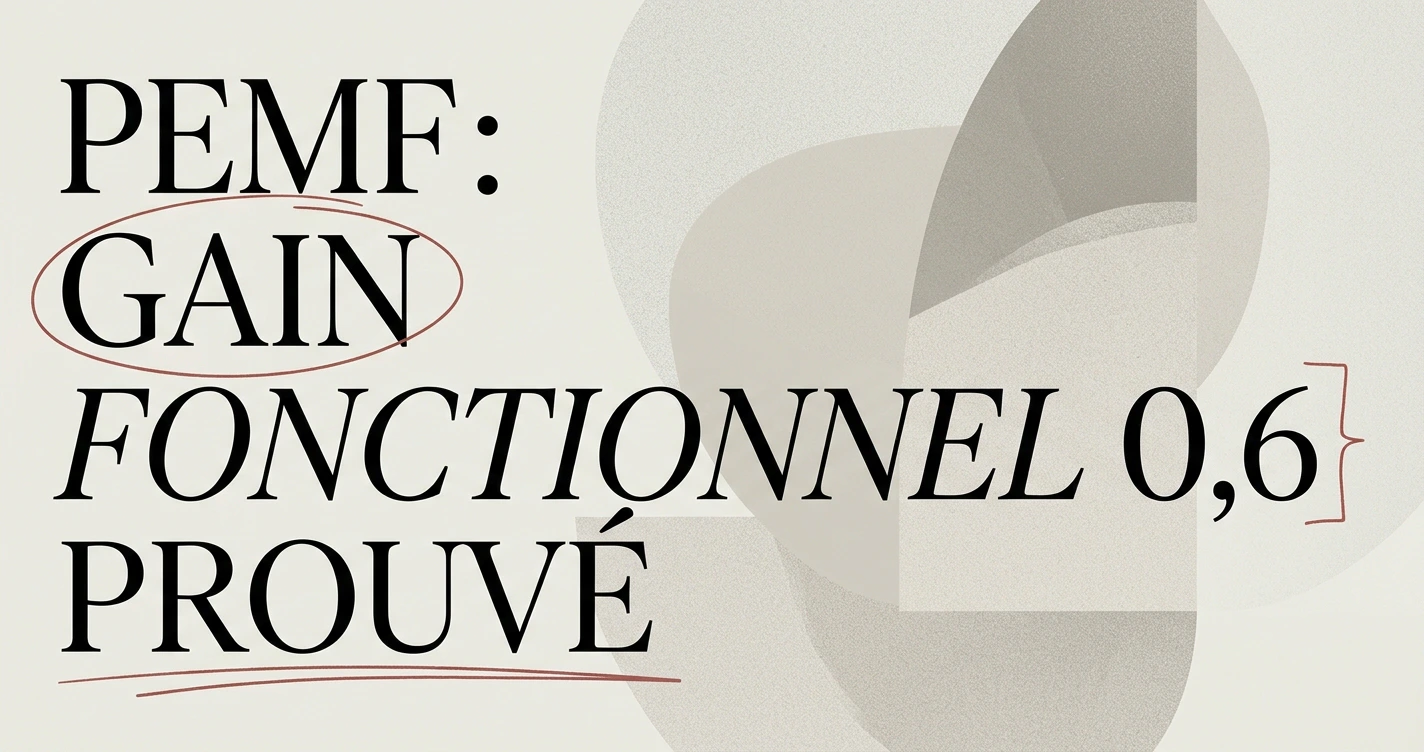
Pulsed electromagnetic fields pass through tissues and interact with cell membranes, where ion and energy exchanges take place. A meta-analysis published in PLOS ONE in 2025 reported a significant effect of PEMF therapy on long-term functional capacity (SMD = 0.6; 95% CI 0.33 to 0.88; p < 0.0001), supporting the idea of a genuine biological effect.
Each cell functions somewhat like a small battery. Its membrane maintains a difference in charge between the inside and outside. Gentle, repeated magnetic pulses are designed to support these exchanges and the work of the mitochondria, which produce cellular energy.
In 2025, this same systematic review, covering several randomized controlled trials, also reported a short-term reduction in shoulder pain (SMD = -0.34; 95% CI -0.66 to -0.01). The authors note that effects vary depending on the protocols and frequencies used.
To understand the mechanisms and technical operation in detail, our dedicated guide to PEMF therapy: how it works and its benefits explained covers each step. The complete meta-analysis data are freely available on PLOS ONE.
Perceived effects on relaxation and vitality
Users most often report feeling relaxed during and after a session, sometimes accompanied by more restorative sleep. Although this feedback remains subjective, it aligns with signals measured in research on recovery and functional capacity, with 2025 data suggesting that improvements become more pronounced over time.
What does it actually feel like? Many people describe a sense of muscle release and overall calm. Some use it in the evening to help them fall asleep, while others use it after exercise to support recovery.
Vitality, meanwhile, develops over time. The aim is not a spectacular immediate effect, but consistent support for comfort over the weeks. This is why consistency matters more than the intensity of a single session.

Terahertz technology follows the same approach to energetic comfort. If this technology interests you, it is based on similar principles applied to a different frequency range.
Incorporating PEMF sessions into your wellness routine
An effective PEMF routine relies on consistency rather than duration. Wellness sessions generally last from 10 to 30 minutes, and one or two sessions per day are enough for most users. The best time depends on your goal: in the evening for relaxation or after physical activity for recovery.
Here are some simple guidelines to help you get started:
- Choose a regular time, such as in the evening before bed.
- Settle into a quiet place, either sitting or lying down.
- Start with short sessions, then adjust based on how you feel.
- Always follow the settings recommended in your device’s instructions.
- Record how you feel over a few weeks to identify what works best for you.
Patience is key. As with gentle physical activity, comfort benefits build over time. There is no need to schedule numerous lengthy sessions in the hope of achieving faster results.
Combine PEMF with healthy habits: hydration, sufficient sleep, and slow breathing. These practices enhance the sense of recovery you are looking for.
Myths and facts about therapeutic electromagnetism
The first myth is that pulsed electromagnetic fields are the same as high-energy waves. Wellness PEMF devices emit very low-frequency, low-intensity pulses without ionizing radiation. Recent meta-analyses also report a good safety profile, with no serious adverse effects reported.
The second misconception is that PEMF can cure everything. This is false. It is a complementary wellness approach. It supports well-being but does not replace a diagnosis or medical treatment. If you have a health issue, professional medical care remains essential.
A third common misconception is that “stronger is better.” Research instead suggests that appropriate parameters matter more than raw power. A carefully selected frequency is more important than maximum intensity.
Finally, PEMF is not reserved for elite athletes. Anyone looking for relaxation and vitality support can explore it, provided they follow the contraindications. People with electronic implants, such as pacemakers, and pregnant women should seek medical advice before use.
Another frequently misunderstood point is that results are not the same for everyone. Research describes average effects across groups of participants, with differences from one person to another. Your experience is unique to you and remains the best guide for adjusting your sessions over time.
Choosing a device suited to your wellness goals
Choosing a PEMF device starts with a simple question: what is your primary goal? Relaxation, post-exercise recovery, or daily vitality support call for different settings. The 2025 studies emphasize the importance of parameters rather than intensity alone, a factor worth keeping in mind.
Several factors deserve your attention:
- The available frequency range and whether it can be adjusted.
- The treatment area: full-body mat, targeted applicator, or portable accessory.
- Ease of use and clarity of the instructions.
- The manufacturer’s reputation and the quality of its after-sales service.
Frequencesvitales offers PEMF and terahertz devices designed for at-home wellness use, with settings focused on comfort. It is a good starting point if you are a beginner and want equipment that is easy to use.
Before deciding, take the time to compare models and make sure they match your goal. Our PEMF device in France: complete buying guide reviews practical criteria, from budget to intended uses.
The best way to move forward is to define your priority, select two or three devices compatible with that goal, and then begin with short, regular sessions to observe how you feel.
Key takeaways
- Pulsed electromagnetic fields emit gentle, low-frequency pulses that support the natural functioning of cells.
- A 2025 PLOS ONE meta-analysis reported a significant long-term functional improvement with PEMF therapy (SMD = 0.6; 95% CI 0.33 to 0.88).
- Short, regular sessions can easily be incorporated into a recovery and relaxation routine.
- PEMF remains a complementary wellness approach, not a cure: it should be used alongside medical care, never as a replacement for it.
- The right device depends on your goals: relaxation, post-exercise recovery, or daily vitality support.
Frequently asked questions
What is a pulsed electromagnetic field in wellness?
It is a low-intensity magnetic field emitted in low-frequency pulses. A PEMF device generates these pulses to support cellular exchanges and promote a sense of relaxation.
How long does a PEMF session last?
Most wellness sessions last from 10 to 30 minutes. You can have one or two sessions per day depending on your goals, while following your device’s instructions.
Is PEMF therapy scientifically proven?
Recent meta-analyses show measurable effects on pain and functional capacity. Results still vary depending on the protocols, and PEMF should be viewed as a complementary approach, not a stand-alone treatment.
Does PEMF have any contraindications?
People with pacemakers or electronic implants, as well as pregnant women, should seek medical advice before use. If in doubt, consult a healthcare professional.
How do you choose a suitable PEMF device?
First define your primary goal: relaxation, recovery, or vitality. Then compare the available frequencies, treatment area, and ease of use before making a decision.
Never miss a new article
Subscribe for free and get every new article delivered straight to your inbox as soon as it's published.